EN
EN
 jp
jp  ko
ko  fr
fr  de
de  es
es  it
it  pt
pt  ar
ar  vi
vi  tr
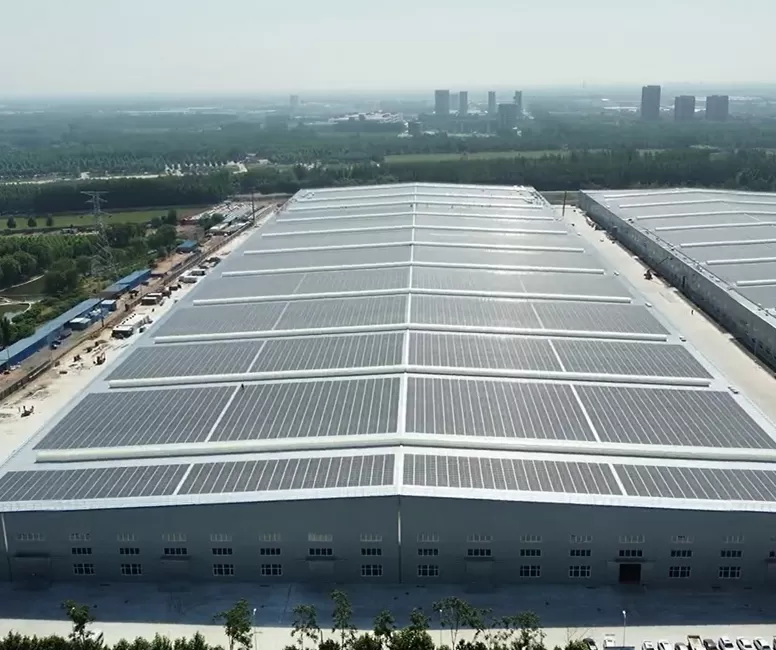
tr  Hefei, Anhui
 76,323㎡

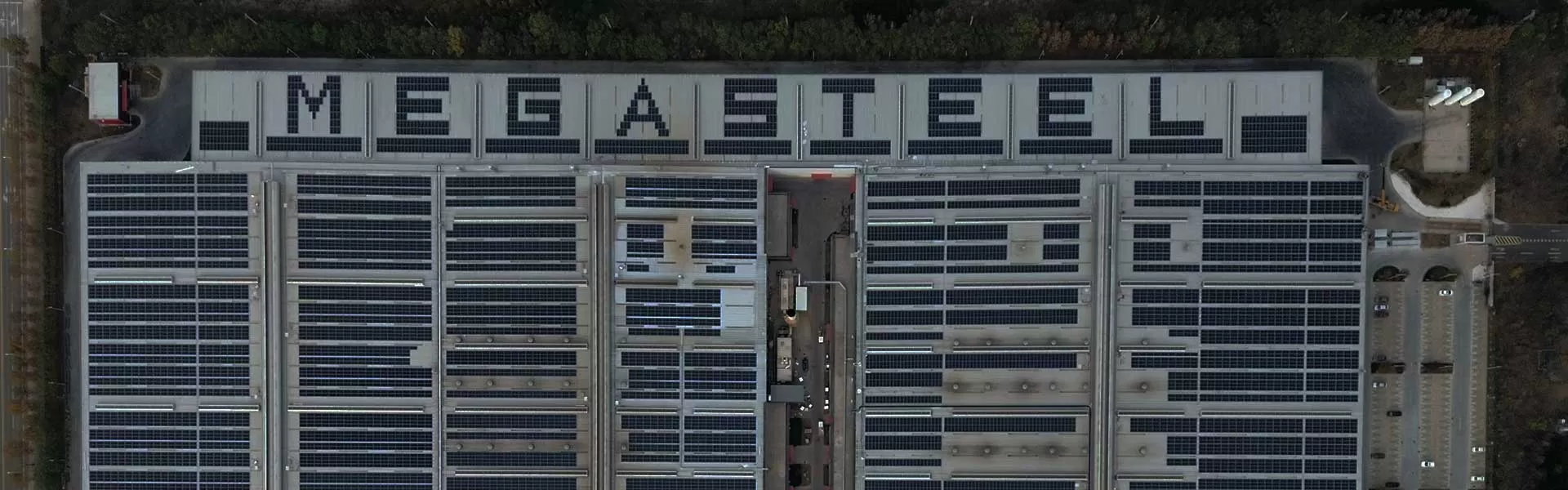
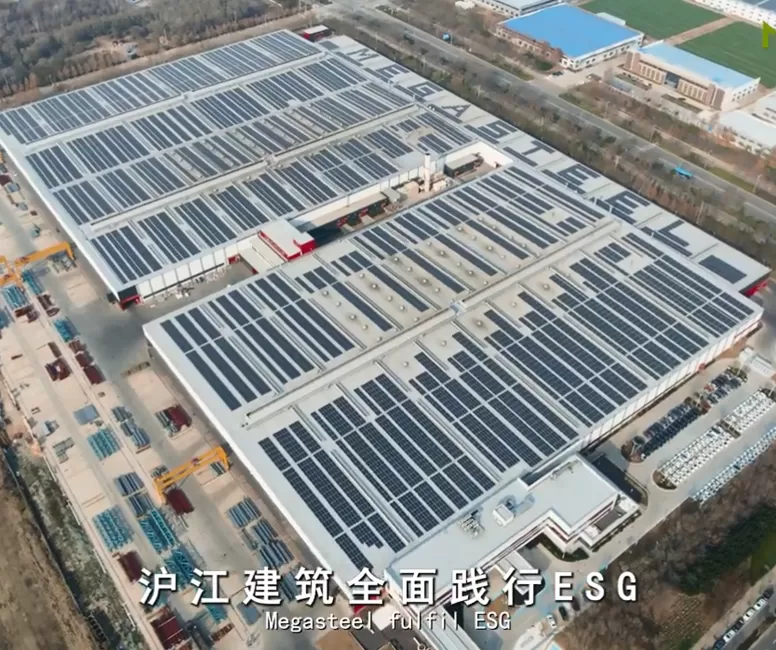
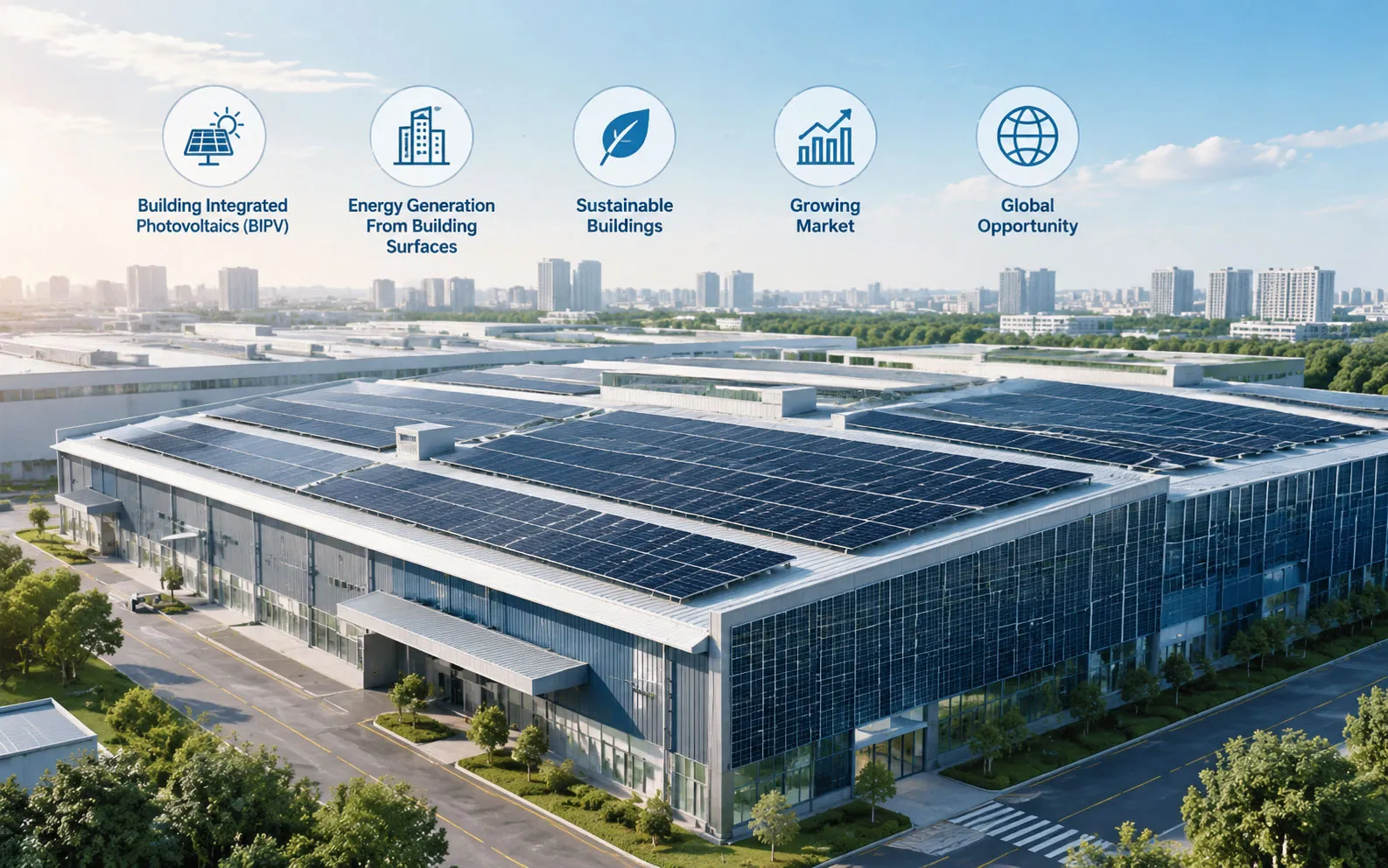
Megasteel building integrated photovoltaics company concentrates on practice of double carbon, energy conservation and emission reduction. As one of the leading building integrated photovoltaics manufacturers, we focus on independent research and development of Mega-BIPV building integrated photovoltaic system, actively involved in the distributed photovoltaic system construction application in industrial and logistics facilities to produce clean energy, solve the clients' concerns in power supply with safe, efficient and green roof photovoltaic system.
Megasteel provides BIPV roofing systems and building integrated photovoltaics solutions for industrial buildings, logistics warehouses, commercial steel buildings and photovoltaic building projects. As a building integrated photovoltaics company, Megasteel helps project owners coordinate steel structures, roof systems, facade integration, waterproofing, electrical layout and construction delivery.



 Hefei, Anhui
76,323㎡
Hefei, Anhui
76,323㎡
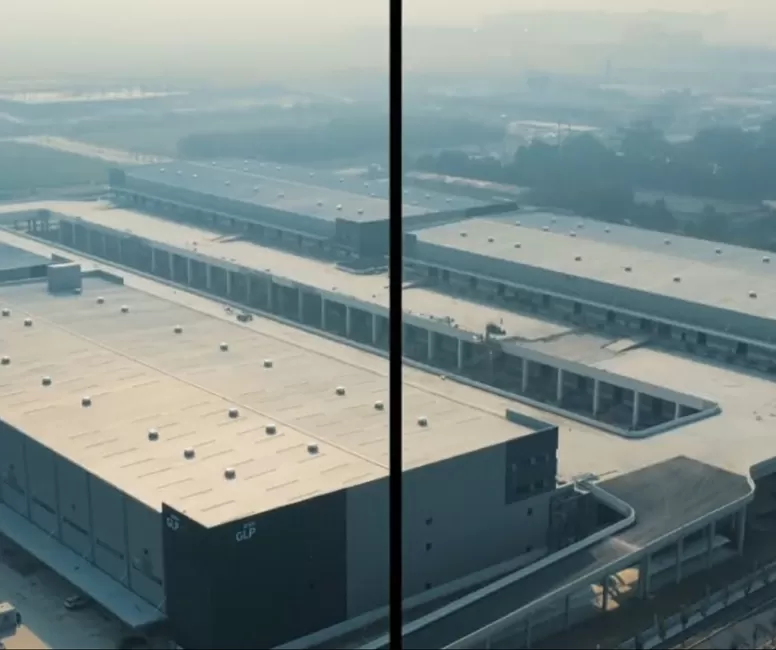
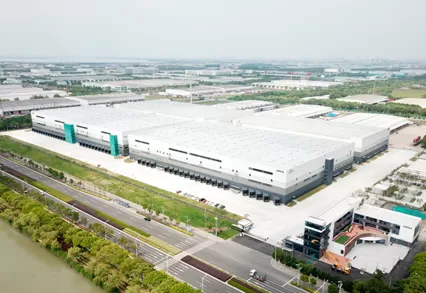 Suzhou, Jiangsu
40,000 m²
Suzhou, Jiangsu
40,000 m²
MegaSteel's BIPV system gave us a hybrid solution—structural steel with seamlessly integrated photovoltaics. The result? A self-supporting solar façade that meets both load-bearing and energy-generation demands. No other provider could merge strength and sustainability like this.
Industrial Park Developer
When we needed a BIPV system that could withstand heavy snow loads and sub-zero temperatures, Megasteel delivered. Their steel-framed solar panels provide 25% higher structural rigidity than aluminum systems, and energy yields exceeded projections by 15%.
Urban High-Rise Contractor
Industrial BIPV projects require more than photovoltaic modules. The solar system must work with the steel frame, roof system, facade system, drainage design, waterproofing details, wind and snow loads, maintenance access and electrical layout.
Structural Coordination: BIPV loads are considered together with roof structure, purlins, bracing and building span.
Envelope Integration: Roof and facade photovoltaic panels are coordinated with waterproofing, drainage, insulation and enclosure systems.
Construction Synchronization: BIPV installation can be planned together with steel structure erection and building envelope construction.
Electrical Coordination: Module layout, inverter position, cable route and grid connection requirements are considered during the design stage.
Operation and Maintenance: Maintenance access, safety walkway and inspection points are planned for long-term performance.
Megasteel develops BIPV solutions for industrial and commercial buildings where solar power generation needs to be integrated with the building envelope, structural system and construction process.
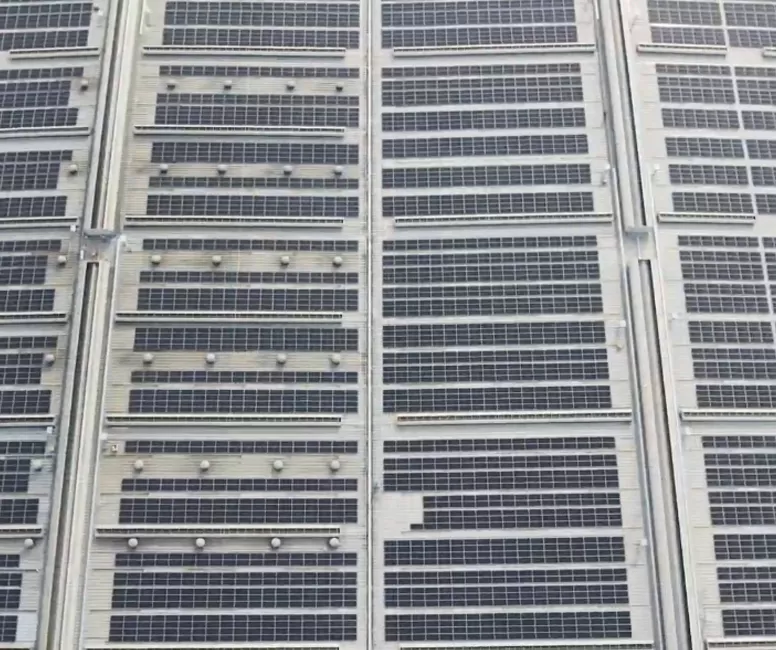
Suitable for warehouses, factories and logistics parks, BIPV roof systems integrate photovoltaic modules with roof enclosure design to generate electricity while supporting weather protection and long-term building operation.
BIPV facade systems can be used for commercial buildings, industrial offices and landmark projects where the facade needs both architectural expression and solar generation capacity.
For projects requiring advanced facade systems, Megasteel can connect BIPV design with its Megasky curtain wall system to support building envelope and solar integration.
For industrial projects, BIPV should be considered together with the steel structure system, roof load, waterproofing details, maintenance access and construction schedule.
We review building type, project location, roof area, facade area, energy demand, load requirements, local climate, construction schedule and grid connection conditions.
The roof and facade surfaces are evaluated based on orientation, shading, available installation area, expected solar generation and building envelope requirements.
BIPV modules are coordinated with roof load, wind uplift, snow load, drainage, waterproofing, purlin layout and maintenance access.
Megasteel prepares the BIPV layout, module arrangement, roof or facade integration details, electrical routing and installation coordination plan.
BIPV components can be coordinated with steel structure fabrication, roof panel supply and building envelope construction.
Megasteel supports project delivery, technical communication and construction coordination for industrial and commercial BIPV buildings.
The cost and return of a BIPV project depend on building size, available roof or facade area, module type, structural requirements, waterproofing details, inverter configuration, local electricity price, grid connection conditions and project scope.
Building Area: Larger roof or facade areas may provide more installation capacity.
System Type: BIPV roof, facade PV and curtain wall integration have different design and installation requirements.
Structural Load: Roof load, wind uplift, snow load and maintenance access affect system design.
Electrical Design: Module layout, inverter selection, cable routing and grid connection affect total cost.
Project Scope: Material supply, design support, construction coordination and EPC support lead to different quotations.
Choosing the right BIPV company is important for industrial buildings because the photovoltaic system must work together with the roof, facade, steel structure and building envelope. Buyers should evaluate whether the supplier can coordinate structural load, waterproofing, electrical layout, installation sequence, maintenance access and project delivery.
Megasteel provides BIPV roofing system and building integrated photovoltaics solutions for industrial steel buildings, logistics warehouses and commercial facilities, helping project owners reduce interface risks between solar modules, steel structures and building envelopes.
| Evaluation Factor | What Buyers Should Check | Why It Matters |
| Structural Integration | Check whether the BIPV company can evaluate roof load, purlin layout, wind load, snow load and steel frame coordination. | A BIPV roofing system must work safely with the building structure, not only as a solar power system. |
| Waterproofing Design | Review roof joints, drainage design, flashing details, sealing methods and installation interfaces. | Poor waterproofing can cause leakage risks, especially in industrial roofs and large-span buildings. |
| Building Envelope Capability | Check whether the supplier understands roof systems, facade systems, curtain walls and cladding integration. | Building integrated photovoltaics should function as part of the building envelope while generating electricity. |
| Electrical Coordination | Review module layout, inverter position, cable routing, grid connection and maintenance access. | Proper electrical coordination improves system safety, power generation efficiency and long-term operation. |
| Industrial Project Experience | Check whether the company has experience with warehouses, factories, logistics parks and steel structure buildings. | Industrial BIPV projects require stronger coordination between solar modules, steel structures and construction teams. |
| Roof and Facade Integration | Evaluate whether the company can integrate photovoltaic modules with roofs, facades or curtain wall systems. | This helps owners build a photovoltaic building where solar generation and architectural performance work together. |
| Construction Support | Check whether the supplier can support installation sequence, site coordination, quality inspection and project handover. | BIPV projects involve multiple interfaces, so construction support helps reduce delays and rework. |
| Maintenance Planning | Review access routes, cleaning methods, inspection points and future replacement plans. | Good maintenance planning improves the long-term performance and service life of integrated photovoltaic systems. |
| Project Documentation | Check whether the company can provide drawings, technical documents, material information and installation guidance. | Clear documentation helps contractors, owners and engineers manage the BIPV project more efficiently. |
| Overall Delivery Capability | Evaluate whether the supplier can coordinate structure, envelope, photovoltaic system, fabrication and construction support. | Reliable BIPV companies should provide integrated project support, not only solar module supply. |
A BIPV (Building Integrated Photovoltaic) system is a renewable energy solution that incorporates integrated photovoltaic panels directly into a building's structure, such as its roof or facade. These BIPV solar modules not only provide structural protection but also generate electricity from sunlight, making them an efficient and sustainable energy source. The use of building integrated solar panels often replaces traditional construction materials, helping to offset their initial costs. Over time, a BIPV system can lead to significant energy savings and contribute to the building's energy independence.
Designing a building integrated PV system involves considering factors like energy needs, integrated photovoltaic systems efficiency, and the building's architecture. The design process includes aspects such as building integrated solar features, daylighting strategies, and thermal mass. Consideration of the PV modules type, whether roof integrated PV panels or BIPV facade systems, is crucial in ensuring the system meets the building's aesthetic and functional requirements. Additionally, site planning and the orientation of the BIPV panels are key to maximizing energy production.
Building integrated solar panels offer both functional and aesthetic benefits when used in building facades and roofs. BIPV solar modules can act as both protective elements and energy producers. For example, roof integrated PV panels can replace traditional roofing materials, while BIPV facade systems can provide solar energy and daylighting features. Moreover, integrated PV panels can reduce building cooling costs by minimizing heat gain, making building integrated photovoltaics a smart choice for energy-efficient buildings.
In BIPV installations, you can choose between grid-connected systems, standalone systems, or those with battery backup. Most BIPV systems are grid-connected, using the utility grid for backup storage. Depending on the building's needs, owners may also opt for a standalone photovoltaic building setup with integrated PV panels and battery storage to achieve energy independence. BIPV solar roofs or BIPV facades may also feature integrated photovoltaic systems that contribute to both power generation and the building's overall design.
Despite the initial investment in BIPV solar panels, these systems can offer substantial long-term energy savings. By integrating building integrated photovoltaic panels into the structure, these systems reduce the need for external energy sources and help lower HVAC and cooling costs. Additionally, the installation of integrated PV panels can provide photovoltaic building owners with a positive ROI over time, making BIPV technology a financially beneficial investment. With BIPV PV systems, building owners can enjoy continued savings, often recovering the upfront cost through reduced energy bills. When paired with a reliable pemb structure, the overall building envelope becomes even more durable and cost-effective for long-term solar integration.
Rooftop solar panels are usually mounted on an existing roof, while BIPV systems are integrated into the building envelope and can replace or combine with roof panels, facade panels, curtain walls or skylights. For new industrial buildings, BIPV can be planned together with the steel structure and roof system from the early design stage.
A photovoltaic building integrates solar power generation into the roof, facade or building envelope. In a BIPV project, photovoltaic modules can replace or work together with conventional roof panels, facade panels or curtain wall systems while generating electricity for the building.
A BIPV roofing system combines photovoltaic modules with the roof envelope, allowing the roof to provide weather protection and generate electricity at the same time. For industrial buildings, the system must be coordinated with roof load, purlins, drainage, waterproofing, fire safety, cable routing and maintenance access.
When comparing BIPV companies, buyers should evaluate structural engineering capability, roof and facade integration experience, waterproofing design, electrical coordination, construction support, project cases and long-term maintenance planning.
Yes. BIPV can be suitable for steel structure buildings when the roof load, purlin system, waterproofing, cable routing and maintenance requirements are evaluated during the design stage.
Megasteel EPC General Engineering Contractor proudly showcases its expertise in Building Integrated Photovoltaic (BIPV) system projects, seamlessly blending cutting-edge BIPV solar modules into the architectural fabric of modern buildings. Our BIPV systems integrate photovoltaic technology into building envelopes, such as roofs, façades, and curtain walls, combining energy generation with aesthetic design. Collaborating with leading building integrated photovoltaics companies, we utilize advanced materials like crystalline silicon and thin-film solar cells to deliver sustainable, high-performance solutions. The following videos highlight our innovative BIPV projects, demonstrating how these systems transform structures into energy-efficient, eco-friendly powerhouses while maintaining architectural elegance.
Contact us today to discuss how Megasteel can bring your vision to life.
Headquarters: Shanghai Megasteel Construction
Tel
+86 13166198251
Address
9/F, Building 8, No.2377 Shenkun Road, Minhang District, Shanghai, China
Shandong Megasteel Intelligent Assembly (www.megasteel.com.cn)
Tel
+86 0534-8212667;+86 400-618-0534
Address
No.1068, Chongde 7th Avenue, Tianqu New Street, Dezhou City, Shandong Province, CN
Megaspace Construction(www.megaspace.com.vn)
Tel
+8424 667 557 85
Address
5th Floor, Gold Tower, 275 Nguyen Trai Street, Thanh Xuan Trung Ward, Thanh Xuan District, Hanoi City, Vietnam
Megasteel Corporation Mexico
Tel
+52 8132007480
Address
Monterrey Nuevo León México

Email:
sales@megasteelsh.comAddress:
9/F, Building 8, No.2377 Shenkun Road, Minhang District, Shanghai, CN