When it comes to modern construction and engineering—especially in industrial and logistics sectors—the selection of structural steel is a defining factor in the strength and longevity of any project. Understanding the four major categories of structural steel—Carbon Steel, Alloy Steel, Stainless Steel, and Tool Steel—enables architects, builders, and engineers to achieve the right balance of performance, cost-efficiency, and sustainability. In this article, we'll explore each type in practical terms, detail their core applications, and highlight how Megasteel, a global steel structure engineering company headquartered in China, utilizes these materials across its international project portfolio.
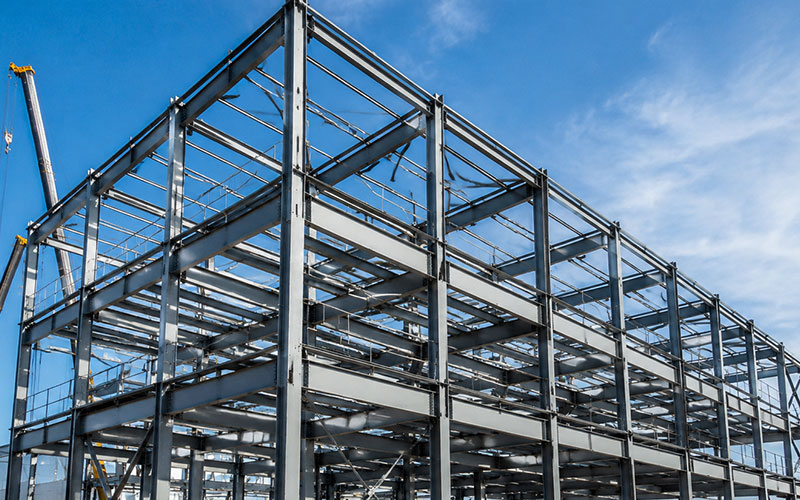
Structural steel is a specialized class of steel engineered for load-bearing frameworks such as factories, bridges, warehouses, and high-rise buildings. Its exceptional strength-to-weight ratio, recyclability, and durability make it a preferred material in sustainable, energy-efficient construction. Over the past two decades, continuous advancements have made steel design smarter and more eco-friendly, aligning with green building certifications such as LEED and leveraging digital tools like AI-driven predictive maintenance.
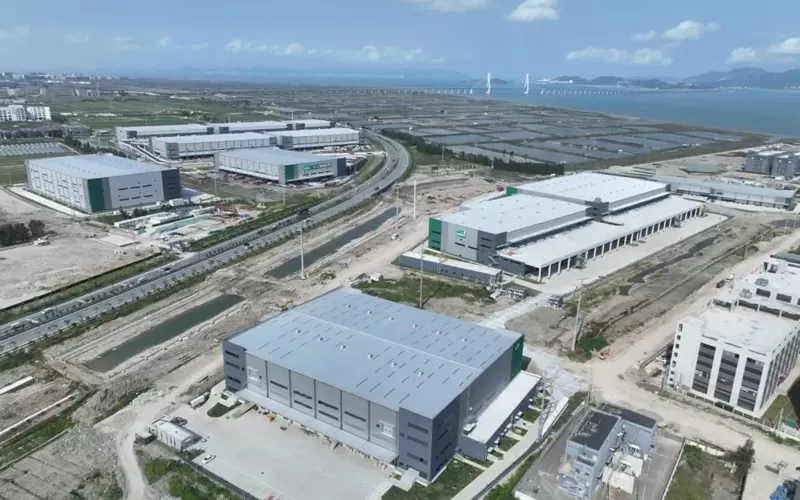
Megasteel, for example, has completed more than 20 million square meters of steel structure projects worldwide, including celebrated developments like the Suzhou Adidas Project. By selecting the right steel type based on project needs, Megasteel consistently enhances structural safety, energy efficiency, and environmental performance outcomes.
Among all types, Carbon Steel remains the most widely used in the construction industry due to its affordability, reliability, and adaptability. Composed primarily of iron and carbon, this steel type offers impressive tensile strength without high material costs.
Carbon Steel is often divided into three categories based on its carbon content. Low-carbon variations are flexible and highly weldable, making them ideal for prefabricated buildings and general-purpose frameworks. Medium-carbon steel is tougher and stronger, suitable for beams, reinforcements, and other load-bearing applications. High-carbon steel, on the other hand, provides maximum hardness for tools and heavy-duty machinery components. Megasteel integrates Carbon Steel across multiple construction and infrastructure projects, incorporating advanced manufacturing methods to meet specific engineering criteria with precision and reliability.
Alloy Steel distinguishes itself from other types through the intentional addition of elements such as chromium, nickel, or molybdenum. These additives improve mechanical properties, providing superior strength, hardness, and resistance to fatigue and corrosion. Thanks to these attributes, Alloy Steel is commonly chosen for bridges, cranes, and tall commercial towers—situations that demand verified performance and durability under challenging conditions.
In practice, Alloy Steel ensures longer service life in industrial zones exposed to harsh climates, including coastal and high-humidity environments. Megasteel incorporates Alloy Steel frameworks into projects that require exceptional stability and longevity, ensuring compliance with globally recognized quality standards such as ASTM A572 and EN 10025. This careful material selection contributes to structures that are not only stronger but also safer and more sustainable over time.
Stainless Steel is prized for its corrosion resistance, sleek appearance, and hygienic properties, making it an ideal choice for contemporary architectural façades, logistics hubs, and public facilities. Its high chromium and nickel content forms a protective surface layer that prevents rust and staining, even in coastal or chemically exposed environments.
In premium and sustainable construction, Megasteel applies Stainless Steel through advanced products such as its Megasky curtain wall systems. These systems balance strength, aesthetic appeal, and long-term value, reinforcing the company's commitment to environmentally responsible building design. The use of Stainless Steel not only enhances durability and visual quality but also helps reduce long-term maintenance costs.
Although Tool Steel is less prevalent in large construction structures, it plays an essential role in manufacturing and precision fabrication. Defined by its high hardness, heat resistance, and ability to maintain sharpness, Tool Steel is used to produce molds, cutting tools, and dies essential for shaping and finishing steel components.
Within Megasteel's operations, Tool Steel supports advanced CNC machining, custom part production, and intricate component forming. This precision-based approach underscores Megasteel's dedication to quality craftsmanship and innovation in steel engineering and fabrication.
Recognizing the distinct characteristics of Carbon Steel, Alloy Steel, Stainless Steel, and Tool Steel is fundamental for making informed material choices that enhance construction safety, performance, and sustainability. Each variety contributes uniquely—Carbon Steel offers cost efficiency, Alloy Steel ensures strength and resilience, Stainless Steel delivers corrosion resistance and elegance, and Tool Steel guarantees precision in fabrication.
Since its founding in 2007, Megasteel has exemplified the value of combining innovative engineering with environmentally conscious practices, setting new standards for reliability and energy efficiency in the global structural steel industry. To explore how Megasteel can support your next project, contact the team at sales@megasteelsh.com or call +86-13166198251.

Email:
sales@megasteelsh.comAddress:
9/F, Building 8, No.2377 Shenkun Road, Minhang District, Shanghai, CN
 EN
EN
 jp
jp  ko
ko  fr
fr  de
de  es
es  it
it  pt
pt  ar
ar  vi
vi  tr
tr