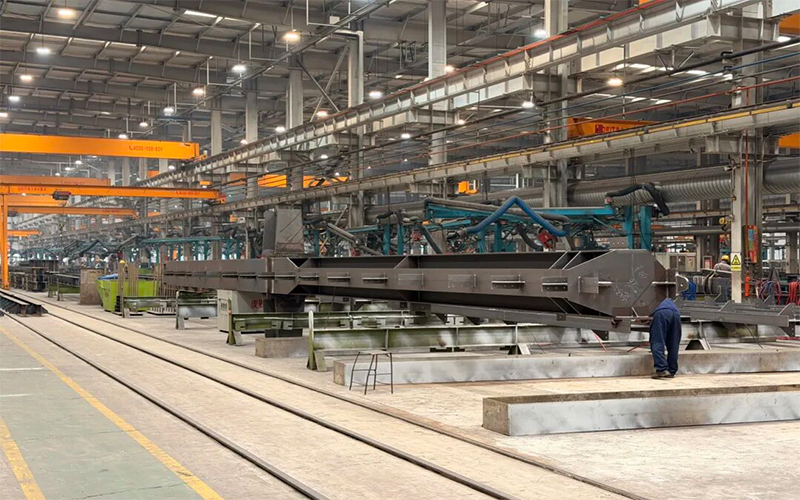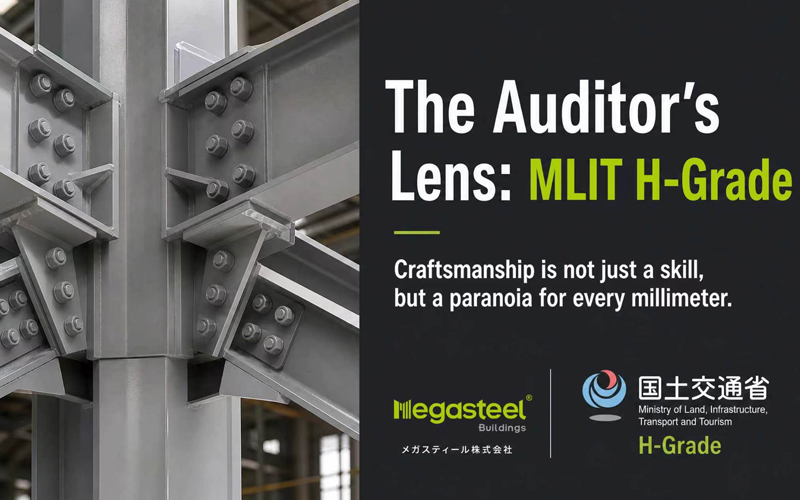
In modern construction, design is at the core of effective steel structure fabrication. Unlike traditional building methods, steel structures rely heavily on precise planning to ensure durability, stability, and cost efficiency. The design phase involves not only structural calculations but also the integration of architectural aesthetics with practical functionality. A leading steel structure fabrication company like MEGASTEEL, established in 2007, places strong emphasis on optimizing designs for industrial and warehousing projects. Through intelligent manufacturing and engineering, the company delivers projects that balance strength, flexibility, and efficiency, ensuring that every design meets the demanding needs of logistics and industrial clients.
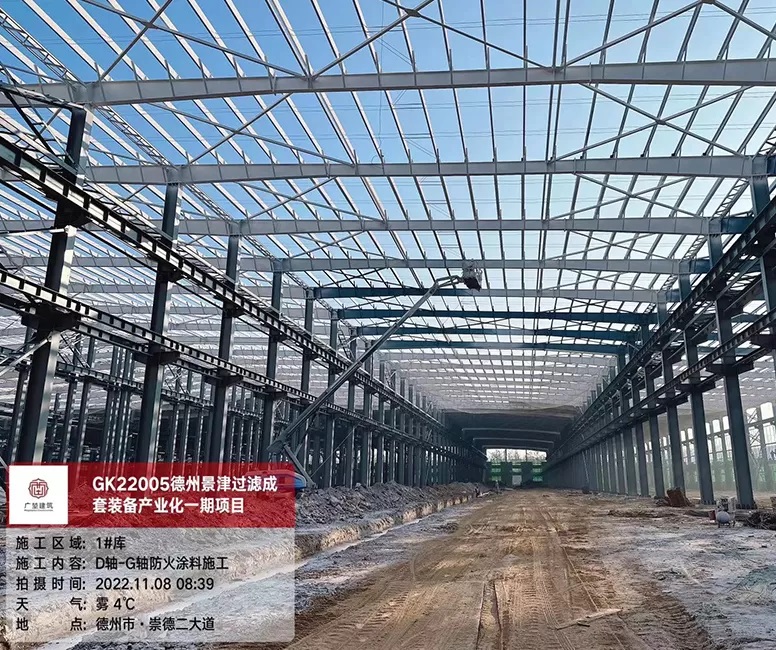
The defining feature of steel structure buildings lies in their modular and adaptable design. Steel allows architects and engineers to create large-span spaces without the need for excessive internal columns, making it ideal for warehouses and industrial facilities. This flexibility in design also supports future modifications and expansions, reducing the need for costly reconstructions. Another design characteristic is precision; steel structure fabrication demands high accuracy to ensure all components fit seamlessly during assembly. MEGASTEEL incorporates advanced design systems to guarantee precision manufacturing and rapid installation, reflecting the capabilities of a modern steel structure fabrication company that understands the critical link between design quality and on-site performance.
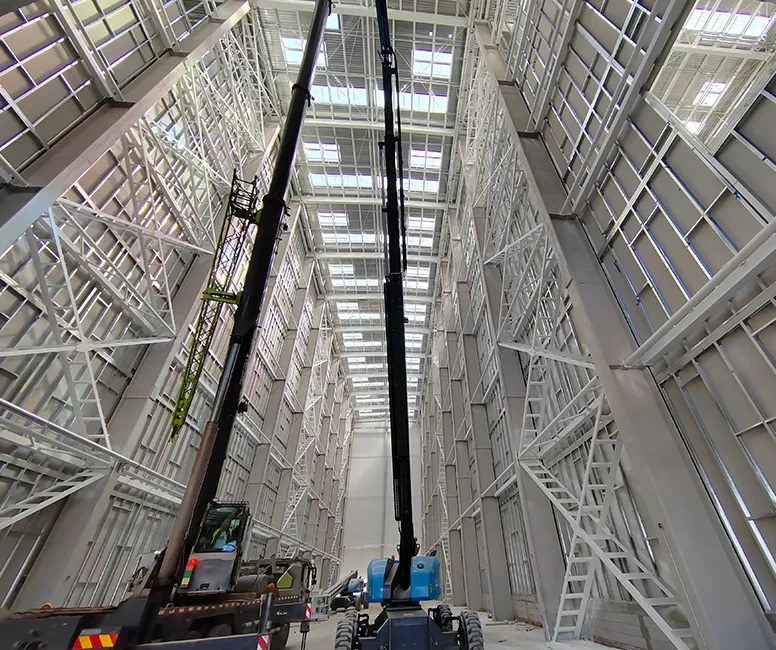
One of the most significant advantages of steel structure fabrication is its efficiency. Prefabricated steel components can be manufactured in controlled environments, ensuring consistent quality and reducing the influence of weather on the construction timeline. This approach not only accelerates project delivery but also lowers labor costs. Steel structures are also inherently strong yet lightweight, offering excellent resistance to wind, seismic activity, and heavy loads. Additionally, sustainability plays a major role, as steel is recyclable and supports eco-friendly construction practices. Companies such as MEGASTEEL leverage these advantages to help clients achieve durable, safe, and cost-effective industrial and warehousing facilities.
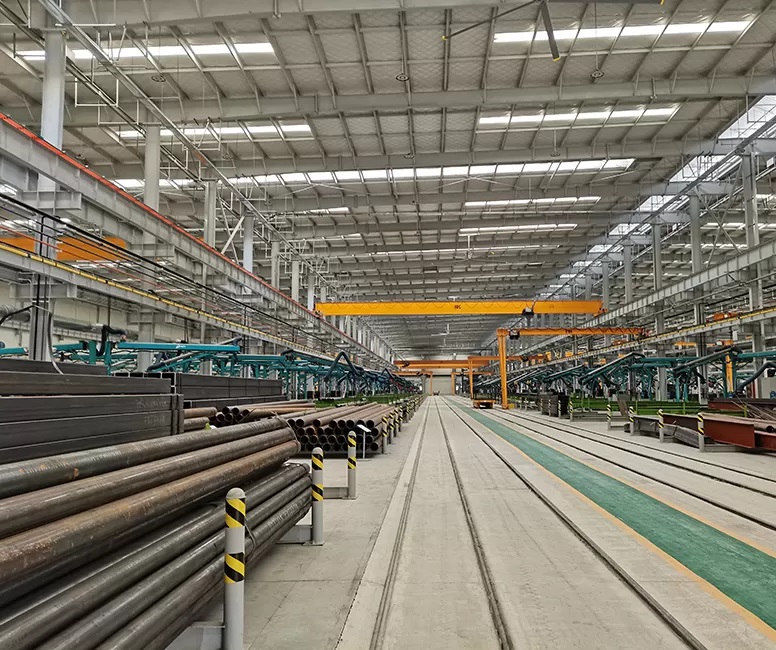
Understanding the benefits of steel structures becomes clearer when compared with conventional construction methods.
Aspect | Traditional Construction | Steel Structure Fabrication |
Construction Speed | Slower, weather-dependent | Faster, with prefabricated components |
Structural Flexibility | Limited, difficult to modify or expand | High, easy to adapt and expand |
Strength-to-Weight Ratio | Heavier materials, higher load on foundation | Lighter yet stronger, reduces foundation load |
Sustainability | Limited recyclability | Highly recyclable, eco-friendly |
Cost Efficiency | Higher labor and time costs | Lower overall due to faster assembly |
This comparison highlights why steel structure fabrication has become the preferred choice for industrial and warehousing projects. Its ability to combine speed, flexibility, and sustainability offers significant advantages over traditional building methods. MEGASTEEL’s expertise ensures that these benefits are fully realized in each project.
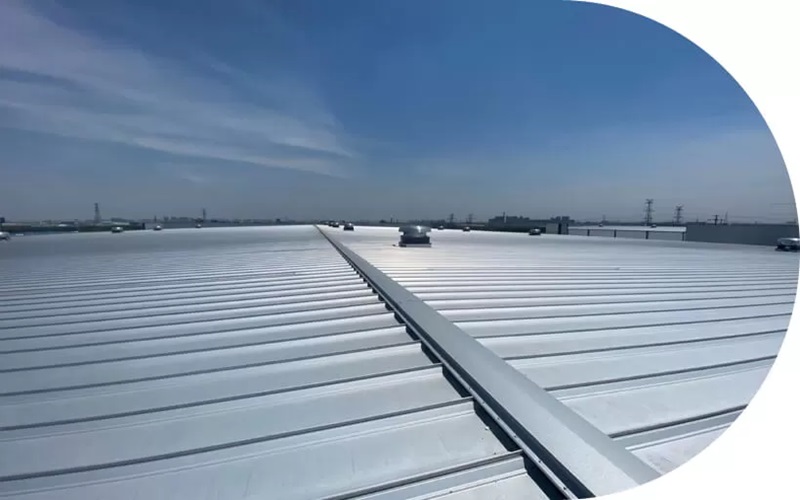
Industrial construction and modern warehousing demand buildings that are both functional and adaptable. Steel structure fabrication meets these requirements by providing spaces that can accommodate heavy machinery, advanced logistics systems, and evolving operational needs. The strength of steel ensures safety and long-term reliability, while its flexibility supports future technological upgrades. As a steel structure fabrication company with extensive experience in design, manufacture, and construction, MEGASTEEL has proven its ability to deliver projects that not only meet current industry standards but also anticipate future demands. By combining intelligent design with advanced fabrication, steel structures continue to redefine efficiency and reliability in industrial construction.

Email:
sales@megasteelsh.comAddress:
9/F, Building 8, No.2377 Shenkun Road, Minhang District, Shanghai, CN
 EN
EN
 jp
jp  ko
ko  fr
fr  de
de  es
es  it
it  pt
pt  ar
ar  vi
vi  tr
tr