Introduction: In the realm of construction, particularly in steel structure applications, the choice of framework is crucial. Two prominent systems, the Steel Frame System (SFS) and Light Gauge Steel Frame (LGSF), have gained traction among builders and engineers alike. Understanding the differences between these two systems is essential for making informed decisions that impact both project efficiency and long-term sustainability. This article will dissect the characteristics, structural variances, cost implications, and performance capabilities of SFS and LGSF, empowering you to choose the right approach for your specific needs.
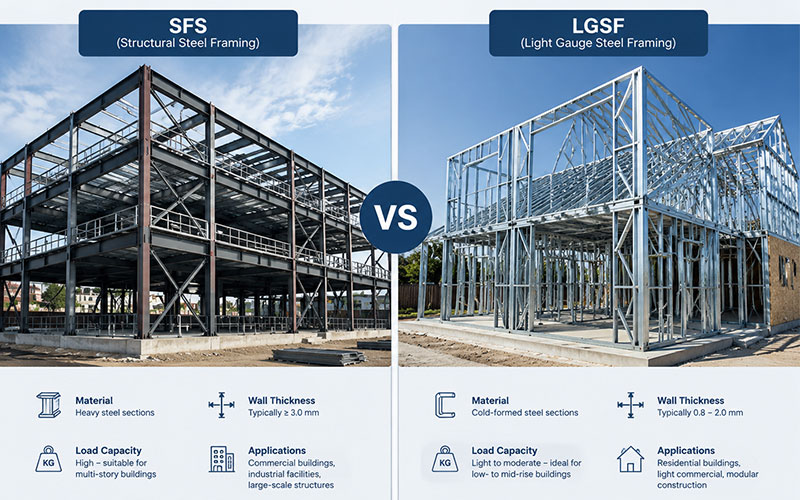
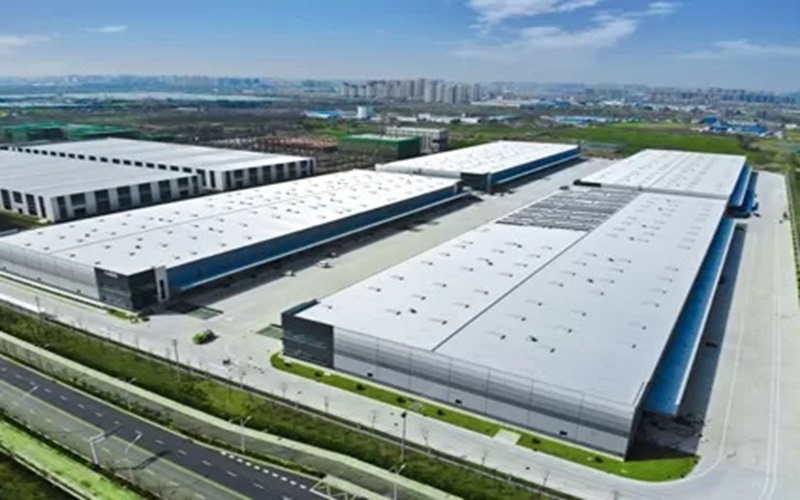
The Steel Frame System (SFS) is renowned for its robustness and is typically used in high-rise buildings or structures requiring significant load-bearing abilities. Comprising rolled steel sections such as beams and columns, SFS offers flexibility in design and is ideal for large-span structures. This system’s strength is further augmented through its ability to be prefabricated, which enhances construction speed and reduces on-site labor costs. For instance, projects like the Suzhou Adidas Project effectively utilized SFS in their design, benefiting from a solid and reliable framework.
In contrast, the Light Gauge Steel Frame (LGSF) employs thinner steel members, allowing for reduced weight and quicker assembly times. It is best suited for low to medium rise buildings where speed is a priority without compromising structural integrity. LGSF systems are often used in residential buildings, warehouses, and other structures that require less load-bearing capacity compared to SFS. The technology behind LGSF allows for easy integration with insulation materials, making it an energy-efficient option. Both systems reflect advancements in steel construction, yet their applications and advantages differ considerably based on project requirements and design objectives.
Diving deeper into the **structural differences** between SFS and LGSF reveals critical aspects that define their performance. The SFS framework, being made of heavier rolled steel, is designed to withstand greater loads and stresses. This makes it more suitable for commercial and industrial applications where the weight of materials and equipment can be substantial. For example, in the Bayer R&D Center in Shanghai, the use of SFS allowed the structural design to incorporate large open spaces, facilitating innovative laboratory layouts.
On the other hand, LGSF's thin-walled, cold-formed steel sections simplify handling and installation. While LGSF is lighter and offers faster assembly, it operates best in environments with lower structural demands. The inherent lightweight nature of LGSF contributes to reduced foundations, thus saving costs in site development. However, it is crucial to ensure proper design practices are adhered to in LGSF applications to maintain structural stability under seismic or wind loads. An understanding of these nuances ensures that project managers can leverage the best framework for their specific situations and constraints.
When evaluating the **cost implications** of SFS and LGSF, several factors come into play, including material costs, labor expenses, and overall project timelines. SFS, while more robust, often incurs higher material costs due to the use of thicker steel sections. Additionally, skilled labor requirements for installation can drive up costs. However, its durability and longevity can provide savings in maintenance and operational costs in the long run.
Conversely, LGSF tends to offer lower initial costs due to its lighter materials and quicker assembly times. Labor costs may decrease as a result of the system's ease of installation. However, the long-term performance should be considered; LGSF might require additional reinforcements or maintenance that could affect its overall lifecycle cost. Thus, while LGSF appears to be less expensive upfront, the comprehensive cost analysis should guide decision-making processes in the context of the specific application and desired lifespan of the structure.
Performance is a critical aspect when comparing **load-bearing capacities** of SFS and LGSF. SFS shines in scenarios requiring significant load-bearing capabilities due to its structural integrity and ability to span larger distances without the need for excessive columns. This is particularly beneficial in industrial settings where heavy machinery and materials are commonplace. Megasteel, with its expertise in **steel structure fabrication**, often implements SFS in projects that demand this high performance.
LGSF, while adequate for lower loads, requires careful engineering to ensure safety and reliability when used beyond its intended limits. It can serve as a cost-effective option for light-duty applications but lacks the heavy-duty capabilities of SFS. For builders evaluating load requirements, engaging a trusted EPC contractor like Megasteel ensures that both SFS and LGSF selections meet safety standards while delivering quality performance tailored to project needs.
In conclusion, the decision between SFS and LGSF hinges on several factors including project scope, budget, and performance expectations. Evaluating the **core strengths** of each system provides clarity necessary for informed decision-making. SFS is ideal for heavy-duty applications that require resilience and extensive open spaces. Alternatively, LGSF is suitable for lighter structures where speed and cost-effectiveness are significant considerations. It’s vital to consider the unique requirements of your project and potentially consult with an experienced partner like Megasteel, who can provide valuable insights and innovative solutions, ensuring your project is set up for success from the ground up.
Conclusion: Understanding the distinctions between SFS and LGSF allows stakeholders to choose the most suitable system for constructing efficient, safe, and sustainable structures. Megasteel’s commitment to quality in steel construction and its extensive experience within the industry provides a reliable foundation for any project. For further information or to discuss specific project needs, reach out to us at sales@megasteelsh.com or call us at +86-13166198251.
References: 1. Steel Construction Institute. (n.d.). "Understanding Steel Frame Structures." 2. National Institute of Steel Construction. (n.d.). "Light Gauge Steel Framing." 3. American Institute of Steel Construction. (n.d.). "Designing with Steel."

Email:
sales@megasteelsh.comAddress:
9/F, Building 8, No.2377 Shenkun Road, Minhang District, Shanghai, CN
 EN
EN
 jp
jp  ko
ko  fr
fr  de
de  es
es  it
it  pt
pt  ar
ar  vi
vi  tr
tr