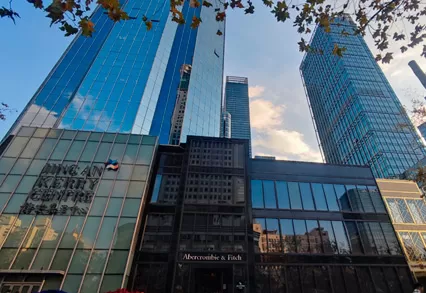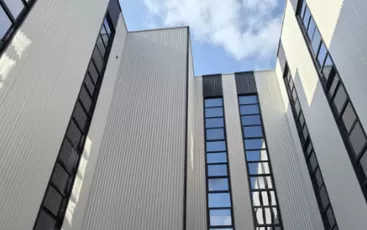
Curtain wall systems are vital in modern architecture, shaping building exteriors while functioning as non-load-bearing envelopes that protect against environmental elements like wind, rain, and noise. These systems enhance both aesthetic appeal and energy efficiency, making them integral to high-rise and commercial constructions. Originating in the early 20th century with metal and glass, advancements in materials and technology have diversified their applications. Megasteel, a high-tech construction engineering company established in 2007, excels in designing, manufacturing, and constructing curtain wall systems, alongside industrial steel structures and modern warehousing. With a mission to create value for clients, achieve employee fulfillment, and contribute to social progress, Megasteel upholds values of integrity, responsibility, pragmatism, continuous learning, and teamwork. Led by an elite team with over two decades of industry experience from top multinational firms, Megasteel offers one-stop services, flat management, rapid response, quick decision-making, and standardized operations. This guide explores the types, features, applications, and future trends of curtain wall systems, highlighting Megasteel's expertise in delivering innovative, high-quality solutions.
Curtain wall systems are designed to meet critical performance standards, ensuring functionality and durability. Structurally, these non-load-bearing systems transfer loads from wind, seismic activity, and their own weight to the building's primary framework, relying on precise engineering and connections for stability and strength. Thermally and acoustically, they incorporate multi-pane glazing, thermal break aluminum profiles, and insulating materials to minimize heat transfer and external noise, reducing energy consumption and enhancing occupant comfort. Additionally, advanced waterproofing and moisture-resistant materials prevent air and water infiltration, extending the building's lifespan and minimizing maintenance costs. Megasteel's expertise in intelligent manufacturing and standardized management ensures these principles are met with precision, delivering robust and efficient curtain wall solutions.
Curtain wall systems are categorized into four primary types: stick, unitized, semi-unitized, and point-fixed (spider), each tailored to specific project needs. The stick system involves on-site assembly of components like profiles and glass, offering flexibility for complex designs. The unitized system uses factory-prefabricated panels for rapid installation and high quality. The semi-unitized system combines elements of both, balancing speed and adaptability. The point-fixed system, known as the spider system, connects glass panels directly to the structure without traditional profiles, creating a minimalist aesthetic. Megasteel leverages its customized design and intelligent manufacturing capabilities to deliver these systems, ensuring high-quality execution across diverse applications.
The stick curtain wall system is a widely adopted method for glass facades, characterized by on-site assembly of components such as profiles and glass. This approach allows for intricate and diverse designs, making it suitable for projects with complex architectural requirements. Its flexibility enables adjustments during installation to address site-specific challenges. The process begins with anchoring vertical profiles to the building's structure, followed by connecting horizontal profiles to form a grid. Glass panels are then secured using mechanical fixings, waterproofing tapes, or adhesives, with lateral connections and covers completing the assembly. This system is ideal for medium to high-rise buildings and unique designs but requires skilled labor and extended installation time, increasing the potential for errors and necessitating on-site storage and access equipment like scaffolding. Megasteel's rapid response and standardized operations ensure efficient execution of stick systems, maintaining quality and precision.
The unitized curtain wall system is a modern approach featuring factory-prefabricated panels that ensure high precision and quality. This method significantly reduces on-site construction time and supports complex designs through controlled production environments. The process starts with detailed engineering designs, followed by panel fabrication in a factory with rigorous quality control. Once completed, panels are transported to the site and mechanically connected to the building's structure. Ideal for large-scale, high-rise projects like commercial buildings, hotels, and shopping centers, this system prioritizes speed and quality. However, it involves higher initial costs, complex engineering, and limited flexibility for on-site changes. Megasteel's intelligent manufacturing and one-stop service streamline the production and installation of unitized systems, delivering superior results for clients.
The semi-unitized curtain wall system blends the advantages of stick and unitized systems, offering a balance of speed, quality, and flexibility. Main structural components, such as profiles, are prefabricated in the factory, while glass and other elements are attached on-site. After production, partially assembled panels are transported to the site and secured to the building structure using mechanical connections. This hybrid approach provides faster installation than the stick system while retaining more design adaptability than the fully unitized system, making it suitable for commercial, office, residential, and industrial projects requiring efficiency and customization. Coordination between factory production and on-site assembly, along with skilled labor, is essential. Megasteel's flat management and quick decision-making ensure seamless integration of these processes, delivering tailored solutions with high-quality outcomes.
The point-fixed curtain wall system, often referred to as the spider system, is an innovative method that creates minimalist, transparent facades by connecting glass panels directly to the building structure without traditional profiles. This system minimizes sight lines and supports complex, curved designs, offering high flexibility. Installation demands precision and expertise, beginning with attaching point connections (spider fittings or clamps) to the structure, followed by securing glass panels using specialized mechanical fixings. The spider method involves drilling holes in the glass for connections, while the clamp method grips the glass edges without drilling. Ideal for projects like museums, shopping centers, and buildings requiring abundant natural light, this system comes with high costs and specialized equipment needs, limiting its use in standard applications. Megasteel's elite team, with decades of experience, ensures precise execution of point-fixed systems, meeting the demands of unique architectural visions.
Comparing curtain wall systems aids in selecting the optimal solution for specific project needs. The stick system offers design flexibility and on-site quality control but is time-intensive, requires skilled labor, and risks errors due to on-site assembly. The unitized system excels in speed and quality, with factory-controlled production enabling complex designs, but it incurs higher costs and limited flexibility for on-site modifications. The semi-unitized system balances moderate speed, good quality, and reasonable flexibility, making it versatile. The point-fixed system delivers lightweight, transparent facades with high design flexibility but is costly and requires specialized expertise. Cost-wise, the stick system is the most economical, followed by semi-unitized and unitized systems, with the point-fixed system being the most expensive due to specialized materials and installation. Installation speed ranks the unitized system as the fastest, followed by semi-unitized and point-fixed systems, with the stick system being the slowest. Megasteel's interlocking processes and quality service ensure clients receive the best system tailored to their project's requirements.
Selecting the right curtain wall system is a critical decision impacting a building's appearance, performance, and cost. Project budget influences the choice, with cost-effective stick systems suiting smaller projects and unitized systems fitting larger budgets. Architectural design requirements, such as complex geometries, favor stick or point-fixed systems, while standardized designs benefit from unitized systems. Climatic conditions, including rainfall, wind, temperature, humidity, and pollution, guide material selections, with robust sealing systems like those in unitized setups excelling in harsh environments. Thermal and acoustic performance, installation timelines, maintenance needs, and safety regulations also shape the decision. Structural factors, such as building height and weight constraints, ensure alignment with the building's design and functionality. Megasteel's customized design and rapid response capabilities help clients navigate these factors to select the ideal system.
The curtain wall industry is advancing with technological innovations and a focus on sustainability. Smart materials, such as glass that adjusts transparency to control light and heat, enhance energy efficiency and comfort. Lightweight, durable composites enable intricate, lighter facades, while self-cleaning and scratch-resistant coatings reduce maintenance. Integrating solar energy systems, like photovoltaic glass and facade-embedded solar panels, generates clean energy while enhancing aesthetics. Advanced design software facilitates precise modeling of complex facades, and technologies like 3D printing produce custom components efficiently. Virtual and augmented reality tools allow architects to visualize and refine designs interactively. Megasteel stays at the forefront of these trends, leveraging intelligent manufacturing and innovative materials to deliver sustainable, cutting-edge curtain wall solutions.
Curtain wall systems—stick, unitized, semi-unitized, and point-fixed—offer distinct features tailored to diverse architectural needs. The stick system provides flexibility for complex designs, the unitized system prioritizes speed and quality, the semi-unitized system balances both, and the point-fixed system delivers minimalist aesthetics. Choosing the right system depends on budget, design goals, climate, and structural requirements, each impacting performance and cost. Innovations like smart materials and solar integration promise a sustainable, efficient future for curtain walls. Megasteel, established in 2007, leads the industry with its experienced team, one-stop services, and commitment to quality, integrity, and innovation. By offering customized design, intelligent manufacturing, and expert consultation, Megasteel ensures clients achieve functional, visually striking facades that elevate modern architecture.

Email:
sales@megasteelsh.comAddress:
9/F, Building 8, No.2377 Shenkun Road, Minhang District, Shanghai, CN
 EN
EN
 jp
jp  ko
ko  fr
fr  de
de  es
es  it
it  pt
pt  ar
ar  vi
vi  tr
tr