An EPC contractor manages Engineering, Procurement and Construction under one integrated project delivery responsibility. In industrial building projects, this means the contractor coordinates design, material sourcing, fabrication, construction organization, quality control and final handover.
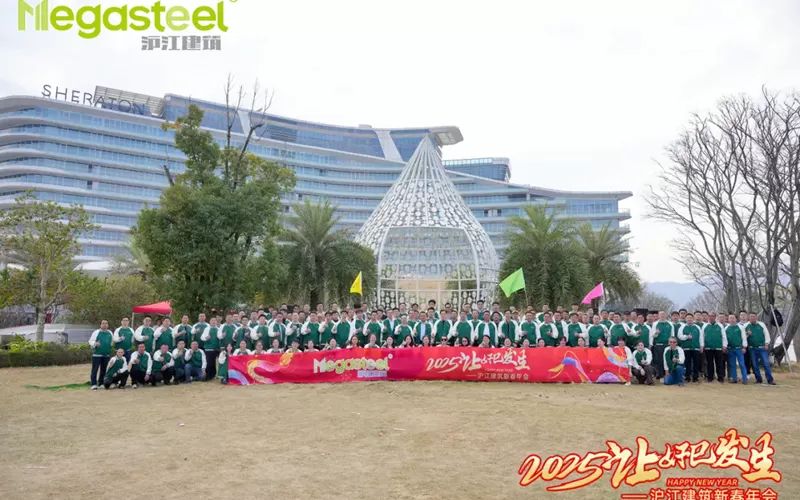
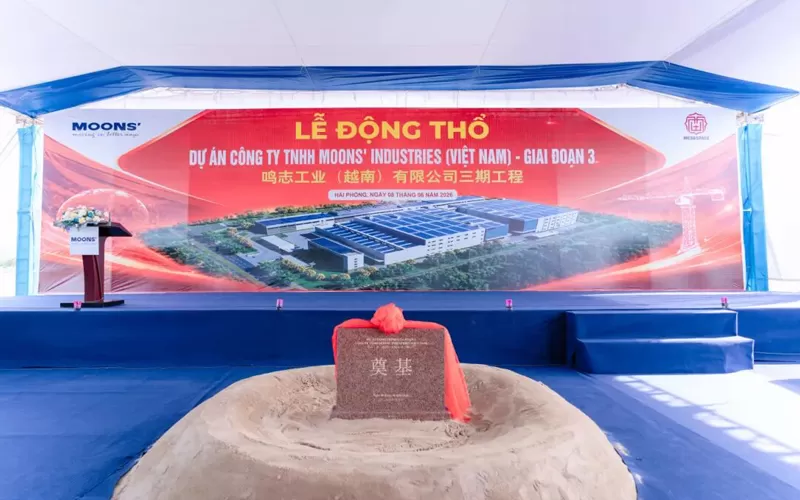
For factories, warehouses, logistics parks and steel structure buildings, an EPC contractor can reduce interface risks because the owner does not need to manage separate engineering teams, material suppliers, fabricators and construction parties independently. Megasteel provides EPC Contractor services for high-quality industrial and logistics construction projects, supported by steel structure, enclosure and construction coordination capability. Megasteel states that it was founded in 2007 and has completed more than 600 projects and over 20 million square meters of building area.
An EPC contractor is a project delivery company responsible for engineering, procurement and construction under one integrated contract or service scope. For industrial building projects, the EPC contractor coordinates design review, material sourcing, steel structure fabrication, construction planning, quality control and project handover.
EPC Contractor Meaning in Construction
In construction, EPC contractor means Engineering, Procurement and Construction contractor. The term describes a contractor that can manage technical coordination, supplier and material procurement, site construction and delivery responsibility as one connected project process.
An EPC contractor is responsible for turning project requirements into a completed facility through engineering design coordination, procurement planning and construction execution. The core value is single-point responsibility from concept coordination to delivery.
In the engineering stage, the EPC contractor reviews owner requirements, site conditions, structural systems, building layout, load demands, safety needs and local standards. In the procurement stage, the contractor plans materials, suppliers, fabrication schedules, logistics and cost control. In the construction stage, the contractor organizes installation, quality inspection, safety control, schedule management and project handover.
The FIDIC EPC/Turnkey Contract is a widely recognized international reference for EPC/turnkey project delivery, where the contractor carries substantial responsibility for delivering the works under agreed contract conditions.
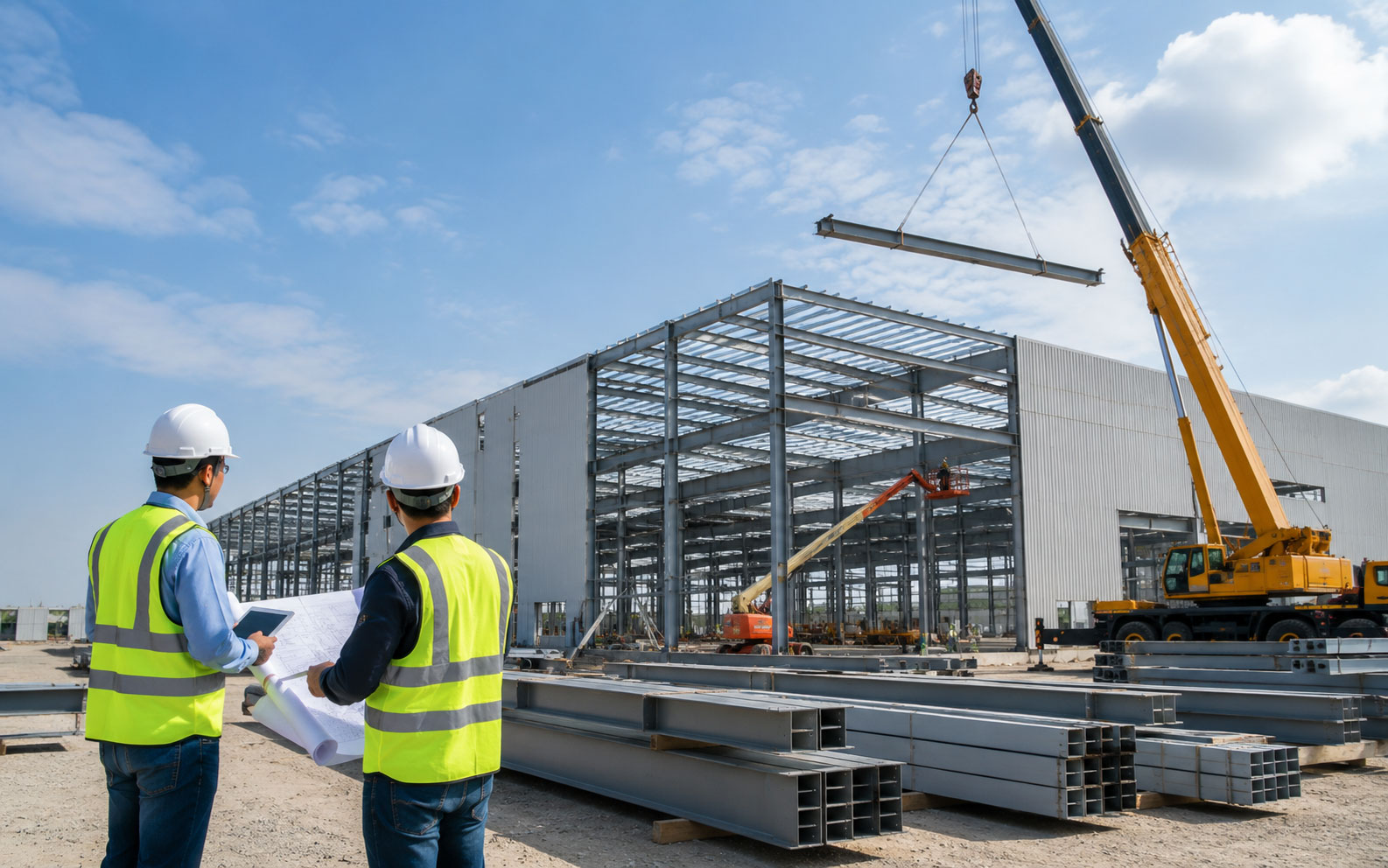
The main responsibilities of an EPC contractor include engineering coordination, procurement management, construction organization, quality control, schedule control and final documentation. These responsibilities are especially important in industrial buildings where structure, roof, wall, equipment and site logistics must work together.
| EPC Responsibility | What It Includes | Why It Matters |
|---|---|---|
| Engineering | Structural design coordination, drawings, technical review | Reduces design conflicts before construction |
| Procurement | Steel, panels, fasteners, insulation, equipment and logistics | Controls cost, quality and delivery schedule |
| Fabrication | Steel cutting, welding, assembly, surface treatment | Improves precision and site installation speed |
| Construction | Site installation, subcontractor coordination, safety management | Keeps project execution organized |
| Quality Control | Inspection, testing, defect correction, acceptance records | Protects building performance and owner interests |
| Handover | As-built documents, completion data, warranty coordination | Supports operation and future maintenance |
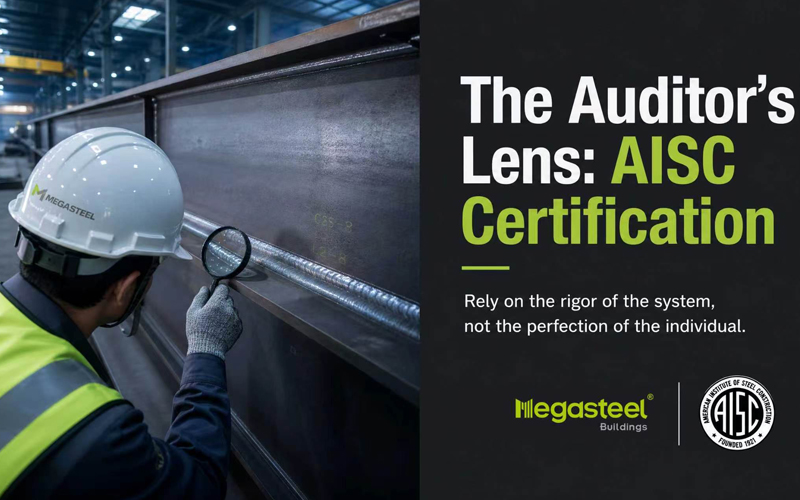
For steel buildings, EPC responsibility often depends on fabrication capability. Megasteel’s Steel Structure Fabrication page explains that fabrication includes shaping, cutting and assembling raw steel materials into structural components. This process is essential for industrial and commercial building frameworks.
An EPC contractor, general contractor and design-build contractor differ mainly by responsibility scope and project interface control. Understanding the difference helps buyers choose the right project delivery model.
| Project Role | Main Scope | Best Fit |
|---|---|---|
| EPC Contractor | Engineering, procurement and construction under integrated responsibility | Industrial buildings, logistics parks, energy and infrastructure projects |
| General Contractor | Construction execution and site coordination | Projects where design and procurement are managed separately |
| Design-Build Contractor | Design and construction under one contract | Projects needing faster design-construction coordination |
| Design-Bid-Build | Separate designer and builder contracts | Traditional projects where the owner manages more interfaces |
The DBIA design-build explanation states that a single contract for both design and construction is the fundamental difference between design-build and other systems. The AIA/AGC project delivery terms primer also explains major delivery methods such as design-bid-build, construction management at risk and design-build. EPC is often broader than design-build because procurement and project delivery responsibility are central to the model.
Choosing an EPC contractor means evaluating whether the company can manage design, procurement, fabrication, construction and project risk as one complete delivery system. For steel structure projects, buyers should pay close attention to engineering ability, fabrication capacity, project experience and quality management.
A qualified EPC contractor should understand large-span structures, wind and snow loads, crane systems, roof drainage, wall cladding, fire protection, insulation, loading docks, logistics flow and future expansion. The contractor should also be able to coordinate drawings, material supply, factory fabrication and site installation without creating delays between departments.
Megasteel’s Pre-Engineered Metal Building service is relevant for EPC projects because pre-engineered steel buildings require early coordination between design, fabrication and installation. Megasteel notes that it has focused on prefabricated steel construction for 20 years, completes more than 50 projects each year and keeps a returned customer ratio over 70%.
For buyers, the safest approach is to ask for previous project cases, fabrication capacity, quality control process, engineering workflow, procurement plan, site schedule, safety system and handover documentation before signing a contract.
An EPC contractor manages engineering, procurement and construction to deliver a complete project with clearer responsibility and fewer coordination gaps. For industrial buildings, this model is valuable because structural design, steel fabrication, cladding, procurement and site installation must be connected from the beginning.
Megasteel supports EPC delivery for factories, warehouses, logistics parks and steel structure buildings through EPC contracting, pre-engineered metal buildings, steel structure fabrication and building envelope coordination. For buyers who want stronger schedule control, fewer project interfaces and integrated construction support, working with an experienced EPC contractor can reduce risk and improve project delivery quality.
An EPC contractor manages engineering, procurement and construction, including design coordination, material sourcing, fabrication, site construction, quality control and project handover.
EPC stands for Engineering, Procurement and Construction. It is commonly used in industrial, infrastructure, energy and large building projects.
No. A general contractor usually focuses on construction execution, while an EPC contractor may also manage engineering and procurement under one integrated project scope.
Owners use EPC contractors to reduce coordination complexity, improve schedule control, clarify responsibility and connect design, fabrication, procurement and construction more efficiently.
Buyers should check project experience, engineering capability, fabrication capacity, procurement control, quality management, safety system, schedule planning and handover documentation.
Megasteel provides EPC contractor services, pre-engineered metal buildings and steel structure fabrication for industrial and logistics projects, helping buyers coordinate design, manufacturing and construction delivery.

Related News

Email:
sales@megasteelsh.comAddress:
9/F, Building 8, No.2377 Shenkun Road, Minhang District, Shanghai, CN
 EN
EN
 jp
jp  ko
ko  fr
fr  de
de  es
es  it
it  pt
pt  ar
ar  vi
vi  tr
tr