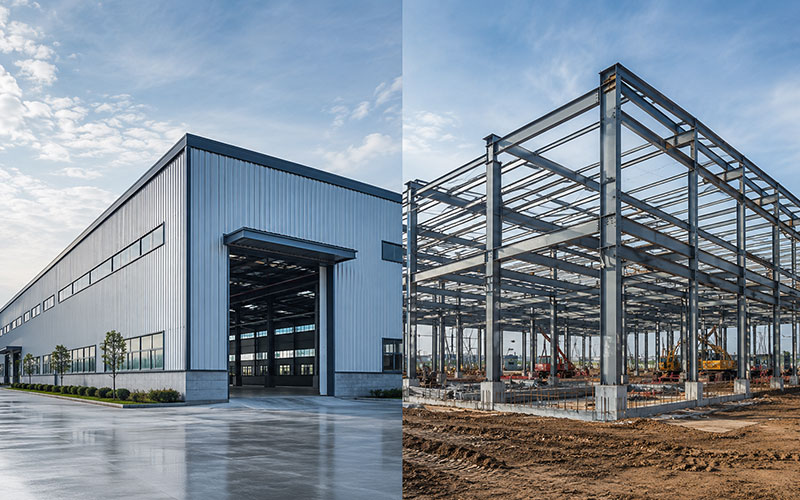
Pre-engineered metal buildings (PEMBs) are cost-effective, durable, and versatile structures crafted from high-quality steel or metal components. These prefabricated parts, often handled by skilled prefab metal building contractors, are manufactured off-site, then delivered and assembled at the project location, streamlining the construction process and reducing labor and material costs. PEMBs are widely used across various applications, such as manufacturing facilities, retail spaces, warehouses, and agricultural structures, due to their efficiency compared to traditional construction methods. They offer quicker build times, greater design flexibility, and enhanced energy efficiency, making them a preferred choice for commercial and industrial projects.
PEMBs provide significant cost savings through reduced labor expenses, shorter construction timelines, and lower material costs. Their robust metal construction, a hallmark of pre engineered metal building contractors, ensures exceptional durability, allowing them to withstand harsh weather conditions like wind, rain, snow, and fire. Additionally, PEMBs offer extensive design flexibility, enabling customization to meet specific project needs. Modern PEMBs incorporate energy-efficient features, such as reflective roofing and advanced insulation, which help lower heating and cooling expenses. The use of prefabricated components also significantly accelerates construction compared to conventional building methods, making PEMBs an efficient and reliable option.
Selecting a contractor with substantial experience in pre-engineered metal building construction is critical. Pre engineered building contractors with deep expertise possess the necessary skills, knowledge, and equipment to handle the unique demands of these structures. Their proficiency in the design, engineering, and installation of PEMB components ensures efficient and high-quality project completion. Additionally, verify that the contractor holds the required licenses, insurance, and certifications mandated by local regulations. Licensed contractors adhere to safety and building codes, while insurance, such as general liability and workers' compensation, protects both parties in case of accidents or damages. Certifications from reputable trade organizations further indicate a contractor's commitment to professionalism and quality. Reviewing feedback from past clients provides valuable insight into the contractor's reliability, work quality, and ability to meet deadlines, ensuring a smoother and more successful project outcome.
To assess a contractor's capabilities, request references or examples of their previous PEMB projects. Examining a portfolio from prefab metal building contractors allows you to evaluate their craftsmanship, expertise, and ability to handle diverse building types. Speaking with former clients can also reveal details about their project management and customer service approach. Additionally, inquire about the warranties or guarantees offered on labor and materials. A robust warranty program reflects the contractor's confidence in their work and provides financial protection against post-project defects. Finally, clarify the project timeline to ensure timely completion. Reputable pre engineered building contractors will provide a detailed schedule, including key milestones and potential contingencies, to minimize disruptions and align expectations, reducing the risk of delays or unexpected costs.
Clear communication and collaboration are vital for a successful partnership with your PEMB supplier. Establishing a shared understanding of the project's scope, budget, and timeline from the outset ensures that your needs are met effectively. A contractor who listens attentively and translates your vision into practical solutions is more likely to deliver satisfactory results. Maintaining open communication throughout the project helps address issues promptly, preventing delays or budget overruns. Upon project completion, pre engineered metal building contractors should conduct a thorough final inspection to confirm that all components and systems are installed correctly. Ongoing post-project support, such as addressing questions or honoring warranties, ensures the building's long-term performance. Effective budget management is also essential—choose a contractor who provides a detailed, itemized budget and communicates transparently about any potential cost changes to avoid surprises.

Email:
sales@megasteelsh.comAddress:
9/F, Building 8, No.2377 Shenkun Road, Minhang District, Shanghai, CN
 EN
EN
 jp
jp  ko
ko  fr
fr  de
de  es
es  it
it  pt
pt  ar
ar  vi
vi  tr
tr