In the world of construction and engineering, understanding the different types of structural systems is essential for architects, engineers, and developers. Each system carries distinctive characteristics that influence the way a building is designed, constructed, and functions over time. In this article, we examine the four primary structural systems—Load-Bearing Walls, Frame Structures, Shell Structures, and Hybrid Systems—and explore how Megasteel, an international leader in steel construction solutions, applies these systems to deliver efficient and sustainable results in modern projects.
A structural system forms the backbone of any building, giving it the strength to support its own weight and resist external forces such as wind, seismic activity, or heavy loads. These systems are categorized according to how they distribute and transfer loads as well as how they integrate with the architectural design. For instance, load-bearing walls distribute vertical loads through solid members, while frame structures rely on interconnected beams and columns to form a supportive skeleton.
Choosing the appropriate structural system affects more than just a building’s physical strength—it influences material selection, construction timelines, and overall sustainability. Since its founding in 2007, Megasteel has refined the art of structural design through deep engineering expertise and modern fabrication techniques. With a customer satisfaction rate exceeding 95% and a repeat client ratio above 70%, the company continues to set benchmarks through its precise implementation of diverse structural systems and commitment to sustainable urban development.
Load-bearing wall systems represent one of the oldest and most dependable structural methods in construction. These walls provide primary support for the structure’s floors and roof, transferring weight directly to the foundation. Typically made of masonry, concrete, or steel, they offer both strength and durability. Unlike non-load-bearing partitions, these walls are integral to the building’s stability.
In industrial settings, load-bearing walls can reduce the need for additional columns, allowing for wide, open floor spaces ideal for production areas or assembly lines. Innovative companies like Megasteel use cutting-edge fabrication technology to produce steel-based load-bearing walls that meet international engineering standards. This approach not only ensures safety but also enhances space efficiency—making Megasteel a recognized leader in prefabricated and modular steel construction.
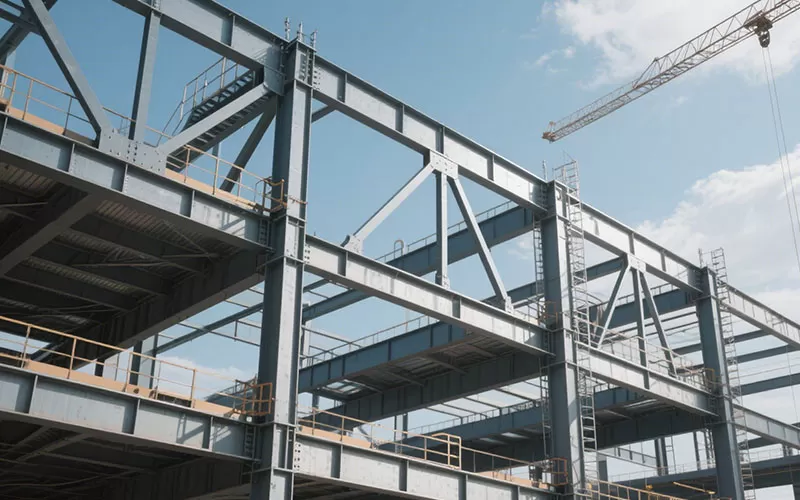
Frame structures are distinguished by their skeletal framework composed of vertical columns and horizontal beams. This configuration enables greater design flexibility by eliminating the need for load-bearing walls, making it particularly suitable for large-span designs such as warehouses, office complexes, and research facilities.
Designing frame structures requires detailed load analysis, material optimization, and adherence to safety regulations. Materials such as steel and reinforced concrete are most common due to their high strength and versatility. A practical demonstration of this system can be seen in Megasteel’s project for the Bayer R&D Center in Shanghai. The project’s structural frame allowed for functional, open interiors while supporting complex laboratory layouts. This adaptability has made frame structures one of the most frequently adopted systems in commercial and industrial construction.
Shell structures are characterized by their curved surfaces and innovative geometries, allowing them to distribute loads efficiently across their entire shape. The result is a structure that is lightweight yet exceptionally strong, often requiring less material than traditional systems. These designs are visually striking and ideal for large-span venues such as sports arenas, exhibition halls, and auditoriums.
Beyond aesthetics, shell structures align with the growing demand for sustainable and energy-efficient buildings. Megasteel incorporates environmentally responsible elements into its shell projects, such as the Mega-BIPV system, which integrates solar panels directly into the building envelope. This fusion of structural integrity and renewable energy technology exemplifies Megasteel’s dedication to green construction and LEED-certified building practices, meeting both the functional and environmental goals of clients worldwide.
Hybrid structural systems combine elements from multiple structural types, allowing engineers to capitalize on the strengths of each. For instance, integrating a steel frame with load-bearing walls can yield a structure that balances rigidity and flexibility while optimizing cost and weight. This hybrid approach is particularly effective in complex or large-scale projects that require custom design solutions for dynamic functional needs.
Megasteel has extensive experience with hybrid systems, merging different structural principles to suit diverse requirements—from industrial facilities to mixed-use urban developments. With over 50 successful hybrid-based projects completed annually, the company continues to demonstrate how innovation and adaptability can transform complex architectural challenges into efficient, high-performing solutions.
Understanding the four main structural systems—Load-Bearing Walls, Frame Structures, Shell Structures, and Hybrid Systems—is vital for professionals seeking to optimize building design, functionality, and longevity. Each system presents unique advantages that shape the architectural and engineering decisions behind every successful project.
Leading companies like Megasteel show how the thoughtful integration of these structural systems, combined with cutting-edge technology and sustainable practices, results in efficient, durable, and visually compelling buildings. To learn more about Megasteel’s custom steel structure solutions or to explore collaborative opportunities, contact the team at sales@megasteelsh.com or call +86-13166198251.

Related News

Email:
sales@megasteelsh.comAddress:
9/F, Building 8, No.2377 Shenkun Road, Minhang District, Shanghai, CN
 EN
EN
 jp
jp  ko
ko  fr
fr  de
de  es
es  it
it  pt
pt  ar
ar  vi
vi  tr
tr