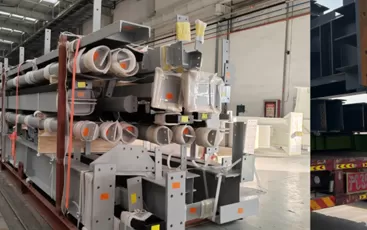
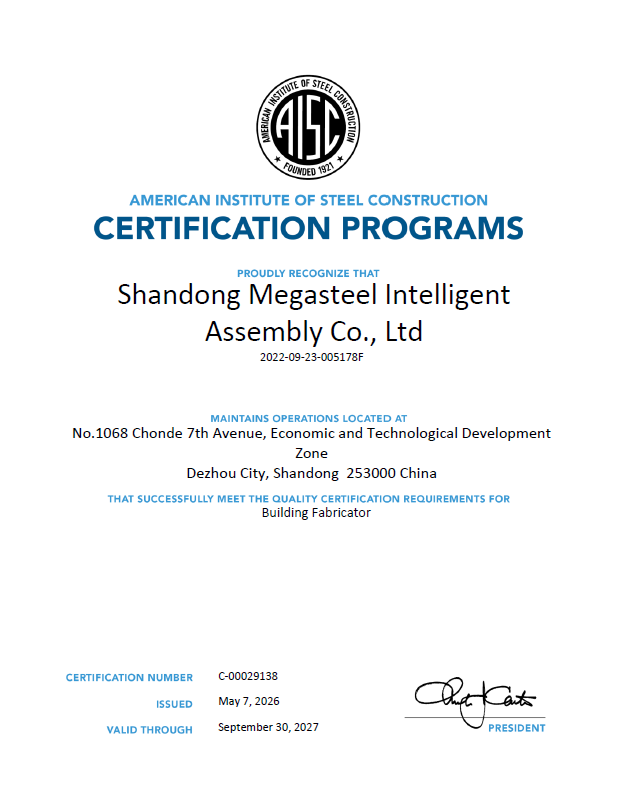
When an auditor from the American Institute of Steel Construction (AISC) walks into a steel fabrication plant, what exactly are they looking for?
Many overseas general contractors have asked us this question. Today, we are launching "The Auditor's Lens"series. Using the rigorous annual audits we experience at our Dezhou manufacturing base as a blueprint, we will take you on a first-person journey to break down the practical implementation of international steel standards.
In this episode, we start with the "gold standard" of the North American engineering world: AISC.
Established in 1921, the American Institute of Steel Construction (AISC) is not only the standard-setter for US steel structures but also the "constitution" of the North American construction industry.
For global manufacturing enterprises, obtaining AISC certification is no easy feat; it is the "hard currency passport" to top-tier North American engineering projects. For US General Contractors (GCs) and owners, the greatest anxiety in transoceanic procurement stems from supply chain uncertainty. An overseas factory with AISC certification signifies that its entire chain—from detailing and material procurement to manufacturing processes and final inspection—has completely passed the highest level of compliance stress testing in the US. This is not just an endorsement of engineering strength, but a "dual safety lock of physics and compliance" provided to GCs.
The first stop of an AISC audit is usually not the roaring workshop floor, but the document room. The auditor will randomly select a drawing currently in production and ask the factory to provide the corresponding MTR (Mill Test Report) for the steel.
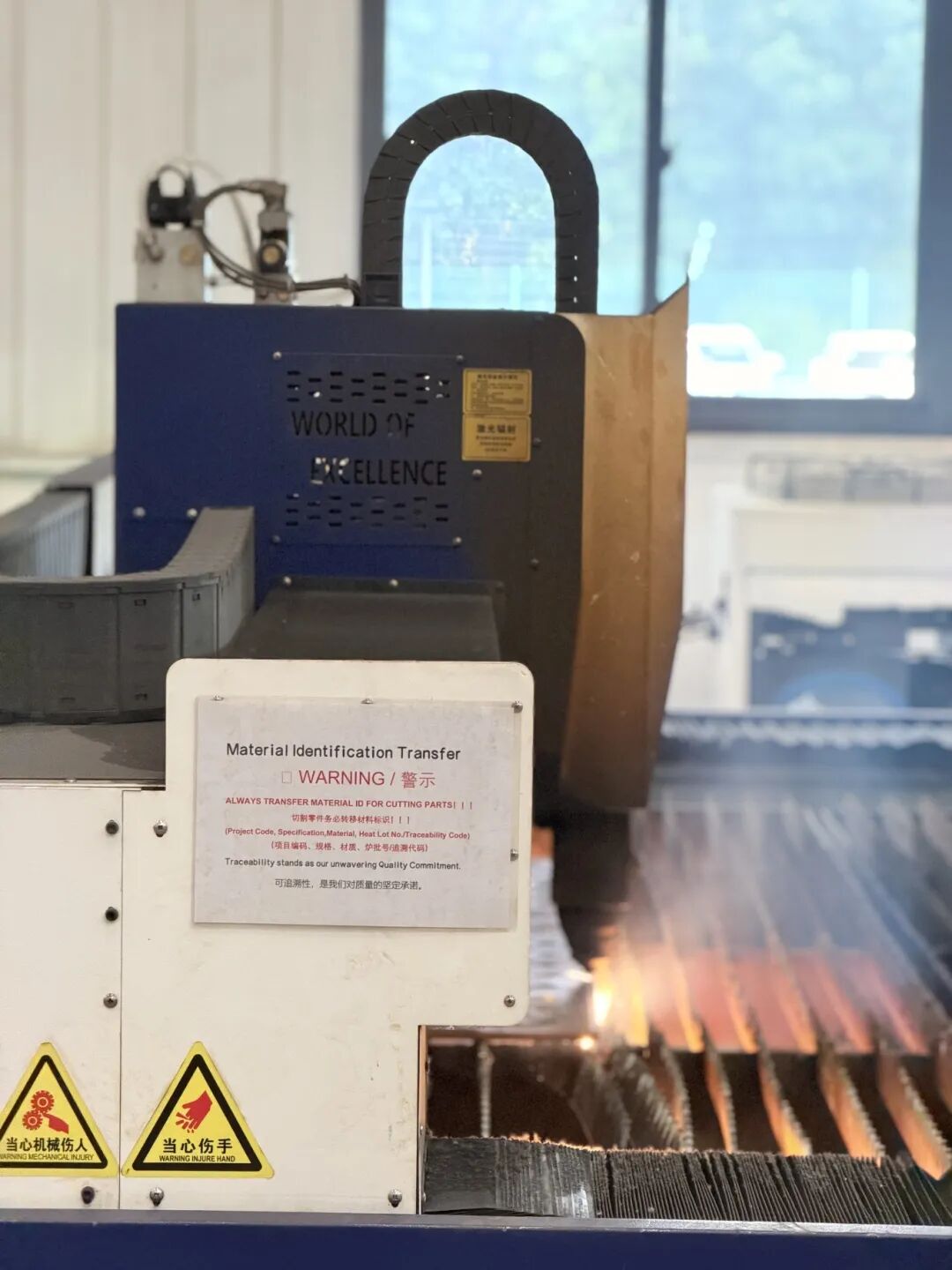
Some materials indicate warnings
Walking onto the shop floor, the "devil in the details" of the audit truly begins. AISC places extreme importance on the execution of material identification protocols. When a massive steel plate is cut into several pieces by a CNC machine, Megasteel's QC team must ensure that the original Heat Number is accurately and clearly transferred to every single cut sub-component.
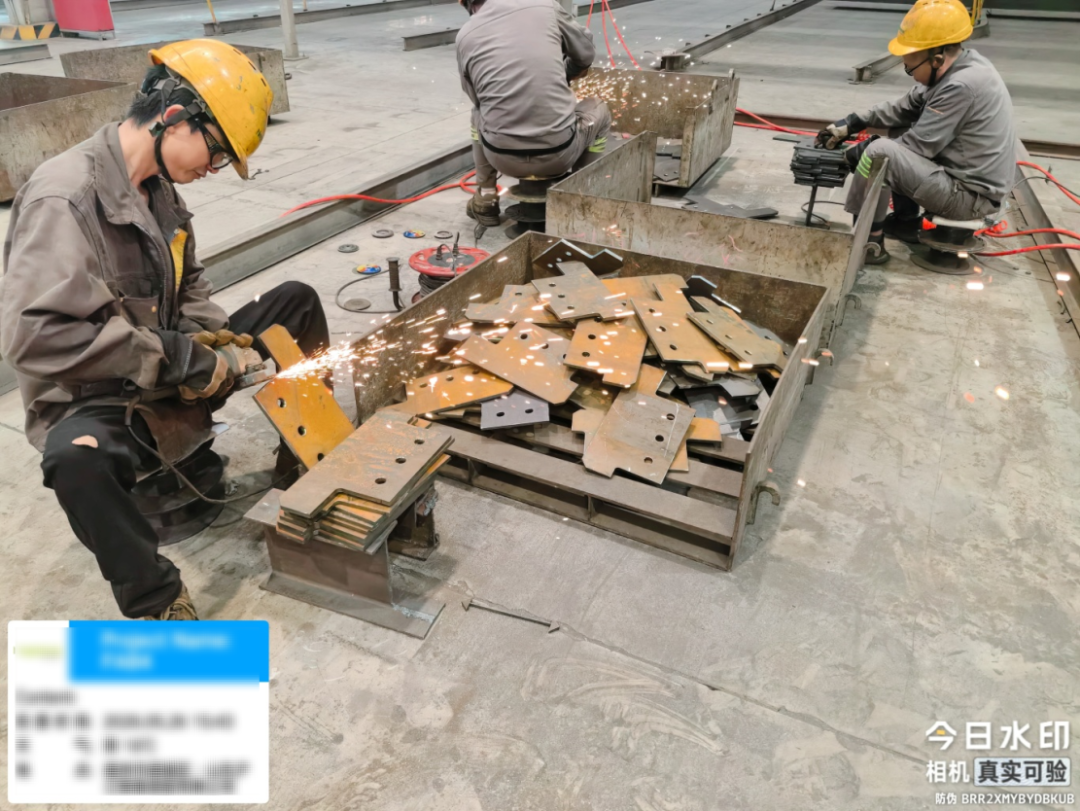
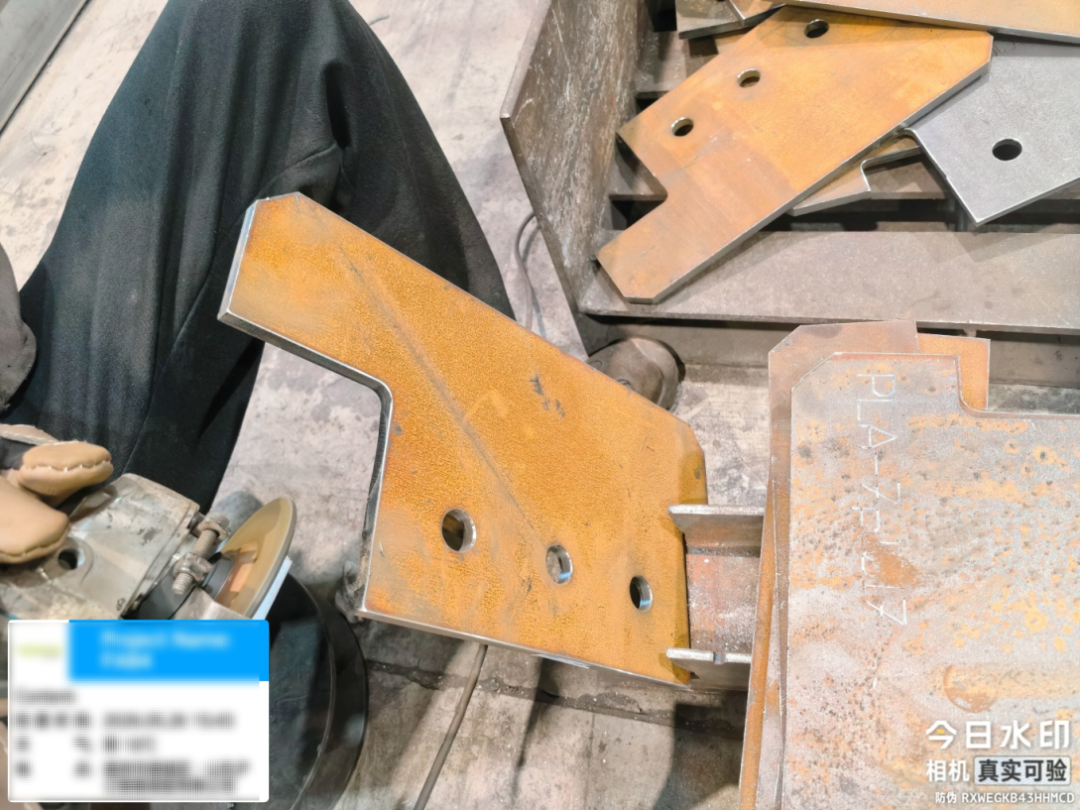
Traceability code identification: one item, one code
In the auditor's eyes: "If there's no heat number, the steel doesn't exist." This obsession with traceability is the first line of defense against substandard or mixed-batch materials making their way onto North American project sites.
For overseas contractors sourcing from a Chinese structural steel fabricator, material traceability, heat number transfer, welding control and audit readiness are important indicators of real fabrication capability.
Compared to European or Japanese standards, AISC certificate is deeply tied to AWS D1.1 (American Welding Society Structural Welding Code) on the welding front.
During the on-site inspection, the auditor will not only check if the welders hold valid qualification certificates but will also stand right next to the welding machines. They will compare the current, voltage, and gas flow parameters on the display to see if they strictly align with our pre-approved WPS (Welding Procedure Specification).
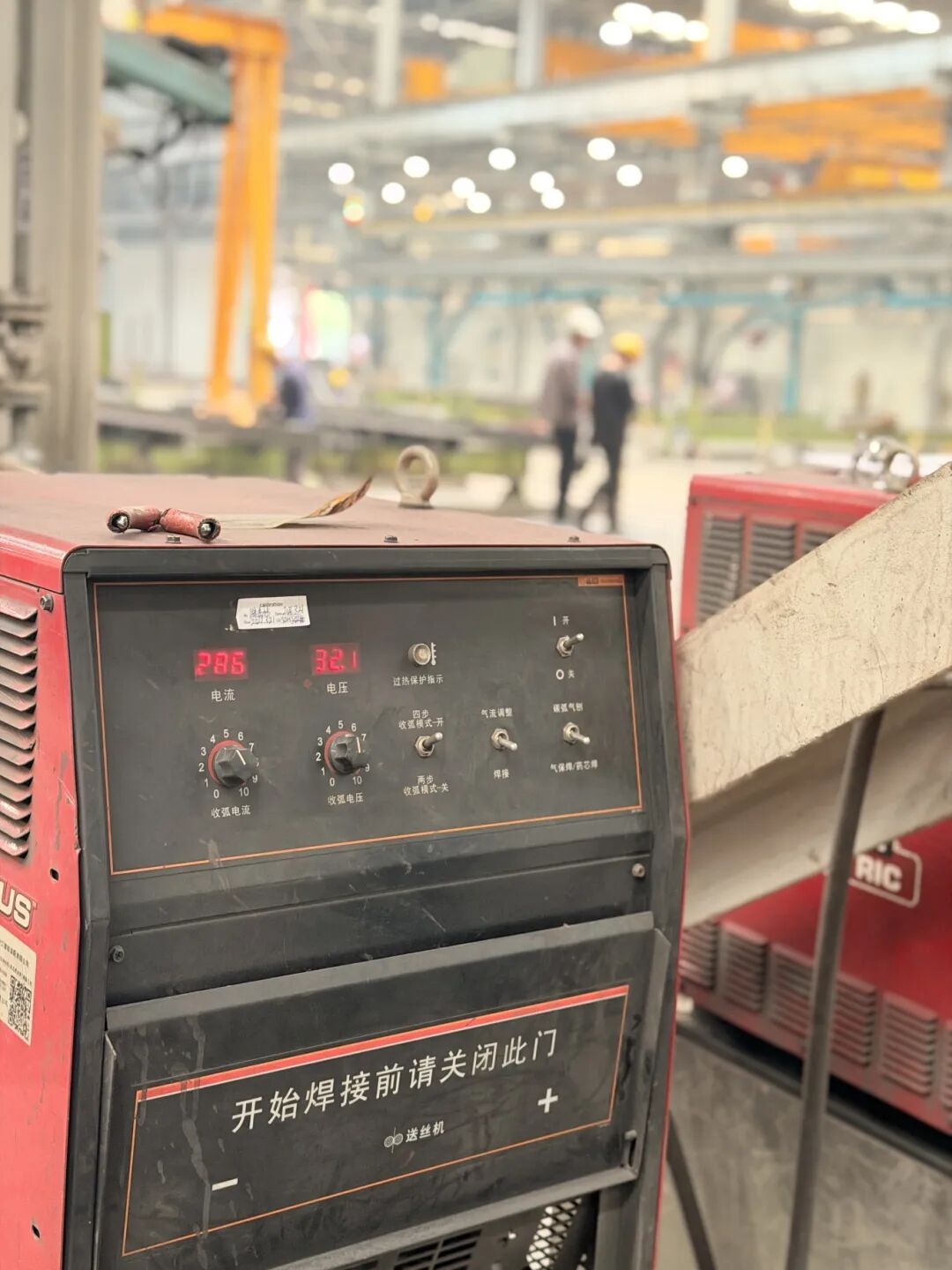
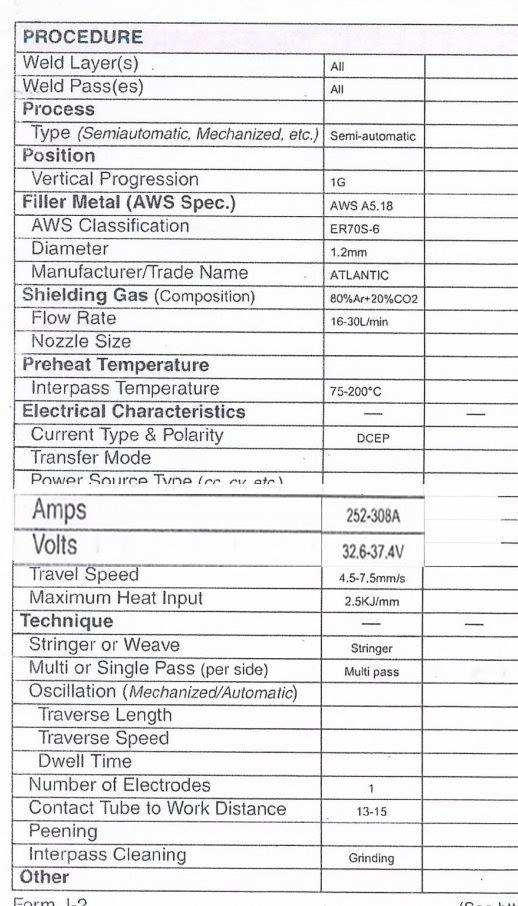
Current and voltage display on the welding machine
Megasteel navigates these audits with ease because we have internalized these production standards into our daily muscle memory. High-quality welds are not a matter of luck, but the result of strict adherence to every parameter boundary.
Standards are never static. To maintain industry leadership, Megasteel actively benchmarks and implements the latest AISC 207-25 standard requirements. Under this high-standard framework, we want to address an industry pain point: CAR (Corrective Action Request).
Most steel structure factories dread CARs during audits, always trying to prove their perfection. However, in the eyes of a seasoned auditor, a perfect "0 CAR" in a massive heavy manufacturing plant defies industrial logic; it often signals a failing, superficial, or deliberately opaque quality system.
At Megasteel, we are not afraid of uncovering problems during audits; we fear problems being left unresolved. When an auditor points out a flaw on the floor, our focus is not just on how to fix it, but on how our QA team initiates a Root Cause Analysis (RCA) and develops long-term preventive measures to ensure it never happens again. A true quality moat isn't about pretending to be flawless; it's about having the systemic capability to confront issues, correct them, and continuously evolve. This is the secret to our continuous improvement.
AISC
A two-day AISC audit is not just an exam; it's a discipline of aligning with the highest international standards.
The core philosophy of AISC lies in: Relying on the rigor of the system, not the perfection of the individual. From the daily execution of AWS D1.1 to the latest AISC 207-25, this systematized quality moat is exactly what gives Megasteel the confidence to consistently deliver engineering projects that exceed global clients' expectations.

Email:
sales@megasteelsh.comAddress:
9/F, Building 8, No.2377 Shenkun Road, Minhang District, Shanghai, CN
 EN
EN
 jp
jp  ko
ko  fr
fr  de
de  es
es  it
it  pt
pt  ar
ar  vi
vi  tr
tr